heartbeatRadar

← YouTube

Original öffnen ↗
@alexhormoziAlex Hormozi·US·4,5 Mio. Follower

I Woke Up With $0 and Wanted to Be a Millionaire. Here's What I'd Do

Hook: „If I woke up with zero dollars tomorrow and wanted to become a millionaire, here's what I would do in 2026.“

Short·2:08 min·veröffentlicht 03.09.26 (vor 1 Monat)·erfasst 07.09.26
7,8×Faktor (Views / Median 23.003, n=139)
178.903Views
12.272Likes
69Kommentare
Talking HeadSystem BreakdownHook: versprechen ergebnis90s-3minProduktion: mittelUntertitel: styled burned inKonfidenz hoch

Warum es zieht

Der Post lief mit Faktor 3,06x deutlich über dem Median des Accounts von 28.406 Views. Der Hook verspricht ein konkretes Ergebnis (Millionär werden) an einem extremen Ausgangspunkt (null Dollar), was klassische Neugier und Aspiration bedient. Die Machart Talking Head mit burned-in Untertiteln und dichter Schritt-für-Schritt-Struktur (Level 1 bis 3, jeweils mehrere Steps) liefert hohe Informationsdichte auf kleinem Raum, was zum System-Breakdown-Charakter des Kanals passt. Die Länge von 128 Sekunden liegt am oberen Ende des Short-Formats und erlaubt es, ein komplettes Framework zu komprimieren, was vermutlich zur Wiederholbarkeit und zum Teilen beiträgt.

Belege
  • Ausreißer-Faktor 3.06x bei n=98 Posts
  • Hook mit extremem Kontrast: 0 Dollar zu Millionär
  • Titel enthält konkretes Zeitversprechen (2026) und Ich-Perspektive
  • Dichte Struktur mit klar benannten Steps und Frameworks im Transkript
  • Styled burned-in Untertitel im Thumbnail sichtbar
  • Talking Head Format ohne B-Roll, reduziert Ablenkung von Inhalt
Hook

„If I woke up with zero dollars tomorrow and wanted to become a millionaire, here's what I would do in 2026.“

Titel-/Hook-Muster

Persönliches Szenario + Ziel + Lösungsversprechen

Für Stefan / Heartbeat

Ein System Breakdown im Talking-Head-Format mit einem persönlichen Ausgangsszenario als Hook (zum Beispiel 'Wenn ich heute bei null anfangen würde als Berater') und einer klar nummerierten Schritt-Struktur ließe sich für Heartbeat direkt adaptieren.

Thema

Business-Framework von null zur Million

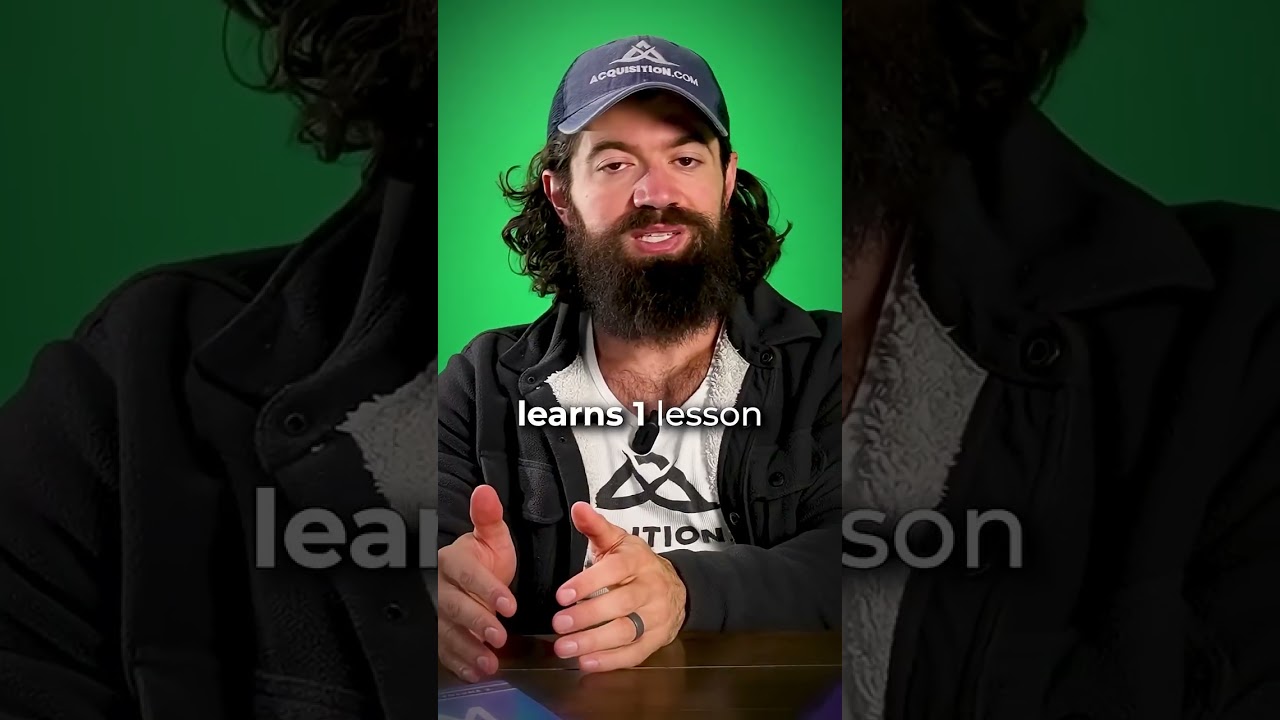
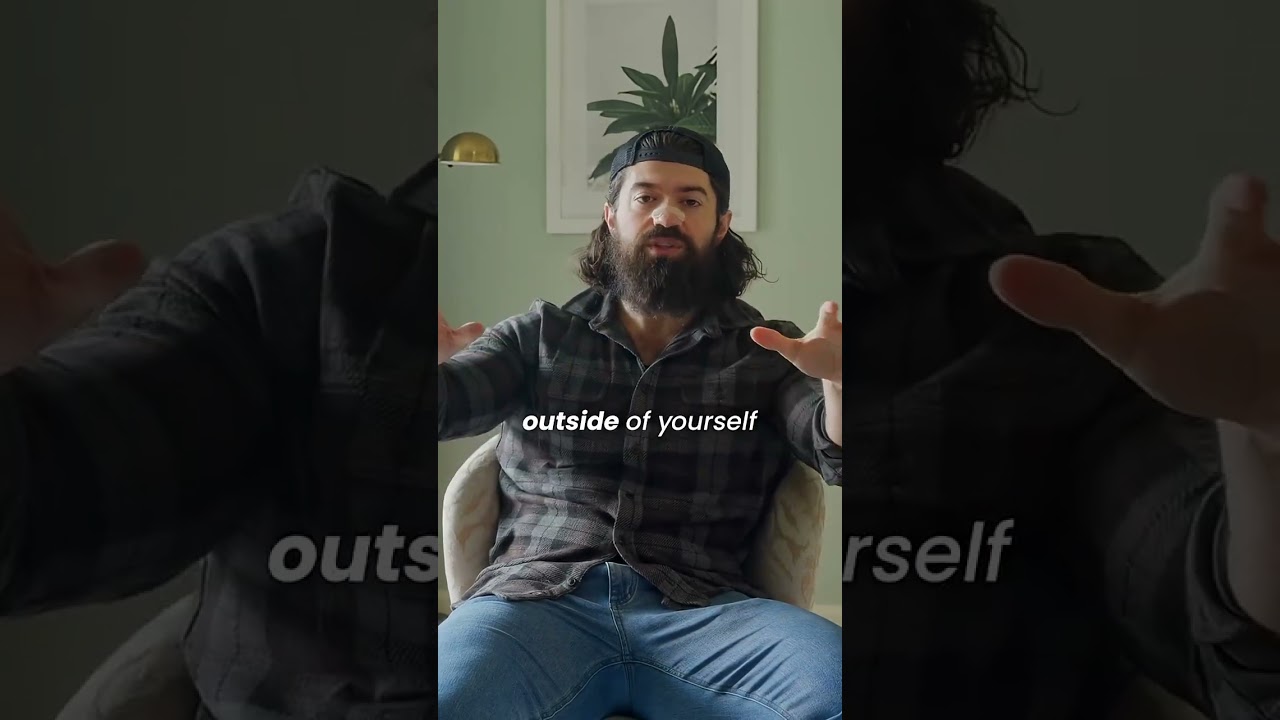
Sichtbar
  • Eine Person sitzt im Sessel
  • Grüner Wandhintergrund mit gerahmtem Bild und Pflanze
  • Karierte Flanellhemd, Cap rückwärts getragen
  • Styled burned-in Untertitel unten im Bild
  • Gestikulierende Hände, offene Armhaltung
  • Kein zusätzliches B-Roll oder Split-Screen sichtbar
system_breakdowntalking_headframeworkbusinessscalinghook_versprechen

Thumbnail-Stil: gesicht emotion

Analyse 07.09., 06:58 · claude-sonnet-5

Verlauf

MessungAlterViewsLikesKomm.Label
07.09., 06:364.0 d86.9986.63844t0
14.09., 06:4911.0 d178.90312.27269t7

t0 = erste Erfassung, t7 = etwa 7 Tage, t28 = etwa 28 Tage nach Veröffentlichung.

Notiz

Beschreibung

The hardest (bootstrapped) revenue level is $1m to $3m in revenue. Main reason: assuming 25% margins, you have $250k to $750k in profit. Typically you need higher value teammates to scale. And they cost...$250k-$750k. So you have to bet everything on an unsure thing. 3 Alternatives: 1) Narrow avatar to more valuable customers, so you can make more money with same infra. 2) Make a better offer you can charge more money for 3) Raise prices. But no matter which path you choose, it takes more risk to get out of "the swamp' than it take to get into it (which is why most get in, and never break out).

Transkript (apify, 519 Wörter)

anzeigen
If I woke up with zero dollars tomorrow and wanted to become a millionaire, here's what I would do in 2026. So, step one, I determine these two things. Number one, knowledge, what you know, number two, skills, what you know how to do, and number three, environment, which is the things that will influence your behavior, which is who and what you surround yourself with. Step two, decide who to sell. I like to choose one of the three P's. Something painful you came out of, something that you're passionate about, or some profession that you just got out of that you can do for yourself. Your target avatar should hit these four boxes. Step three, choose what to sell. Make sure the product or service is what I call a unique, expensive, sticky air. So, unique in that only you can do it, no one else can. Expensive in that you can charge way more than it cost you to deliver it. Sticky in that customers want to keep buying it again and again and again. And air in that it's infinitely scalable. Level two, scale. So, step one, get them to buy. There's four core ways you can get people to find out about the stuff you sell. Choose one of them. And eventually in the future, you can recruit these four types of people to get leads and customers for you. Step two, get them to give you money. Easiest way to start, help people for free, get them results, get testimonials, and then ask the next people to pay. To close any sale, use the closer framework. After you get paying customers, move to step three, [music] increase how much every customer is worth. These are the eight main ways you can do this. Step four, scale with people. At a certain point, you're going to hire people outside of yourself who has have experience in things you don't know how to do. Now, there are five main reasons people don't know how to do their job. Solve the how with the three D's. [music] Step five, build on the three pillars of business. Acquisition, so marketing and sales, delivery, fulfillment, customer service, that's all the front-facing stuff, and then you have the third pillar, back office, the operations, finance, legal, payroll, HR, recruiting, that kind of stuff. Level three, keep your advantage. Step one, understand leverage. Leverage is how much you get per unit of work or effort. So, here's some different forms. Step two, don't interrupt compound it. Ignore shiny opportunities, what I call the woman in the red dress. Pick one channel, one offer, one avatar, and don't change anything until you get to a million dollars. Ignore everything else. Step three, [music] keep getting better. Do lots, get feedback, compare, find what winners have that losers don't, apply that across content, ads, sales calls, customers, everything. Step [music] four, treat your goals like a relationship. How much do you love your goal? What are you willing to give up in order to keep it? Outlier outcomes often require outlier sacrifice.

Weitere Posts von @alexhormozi

alle