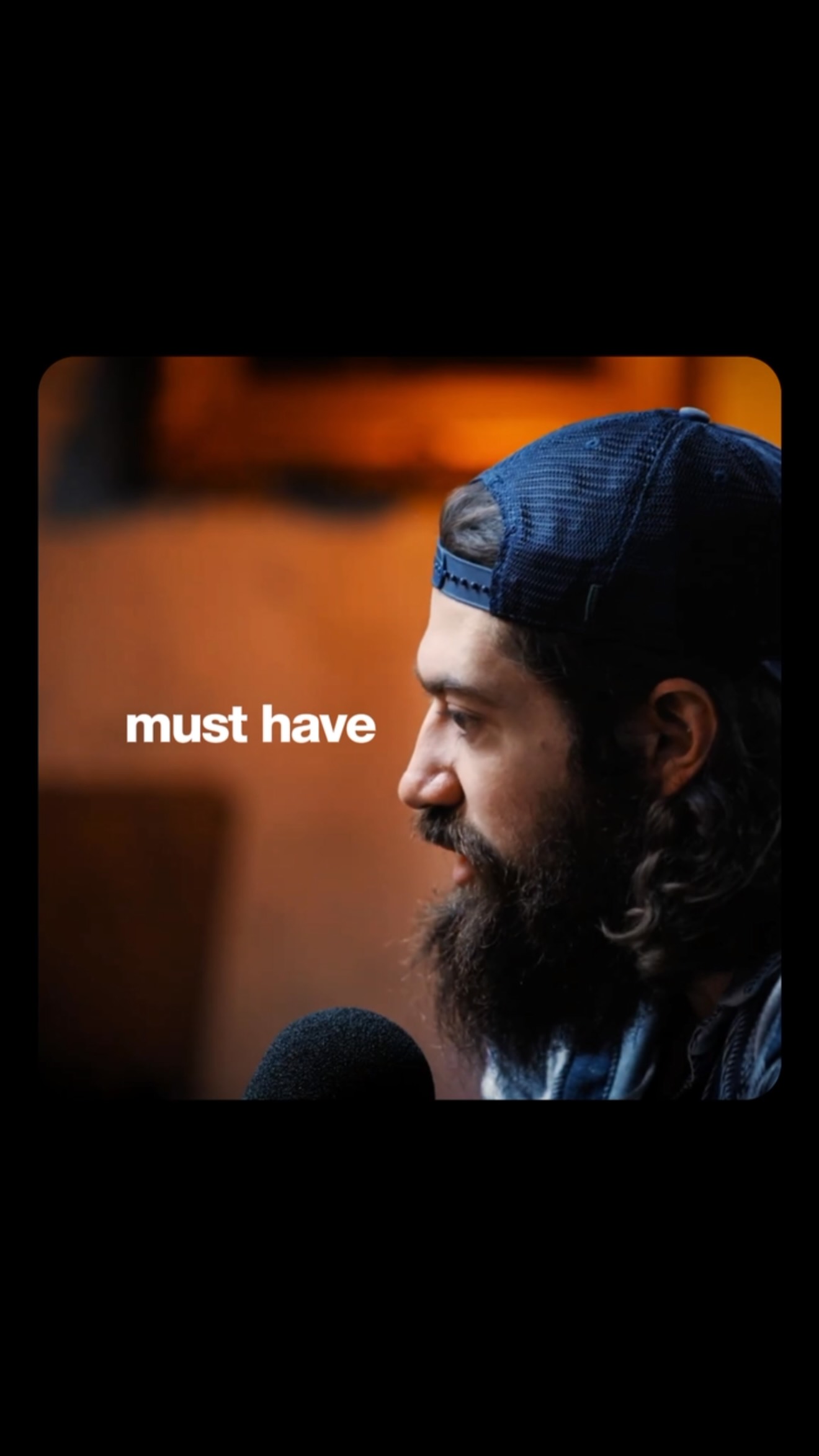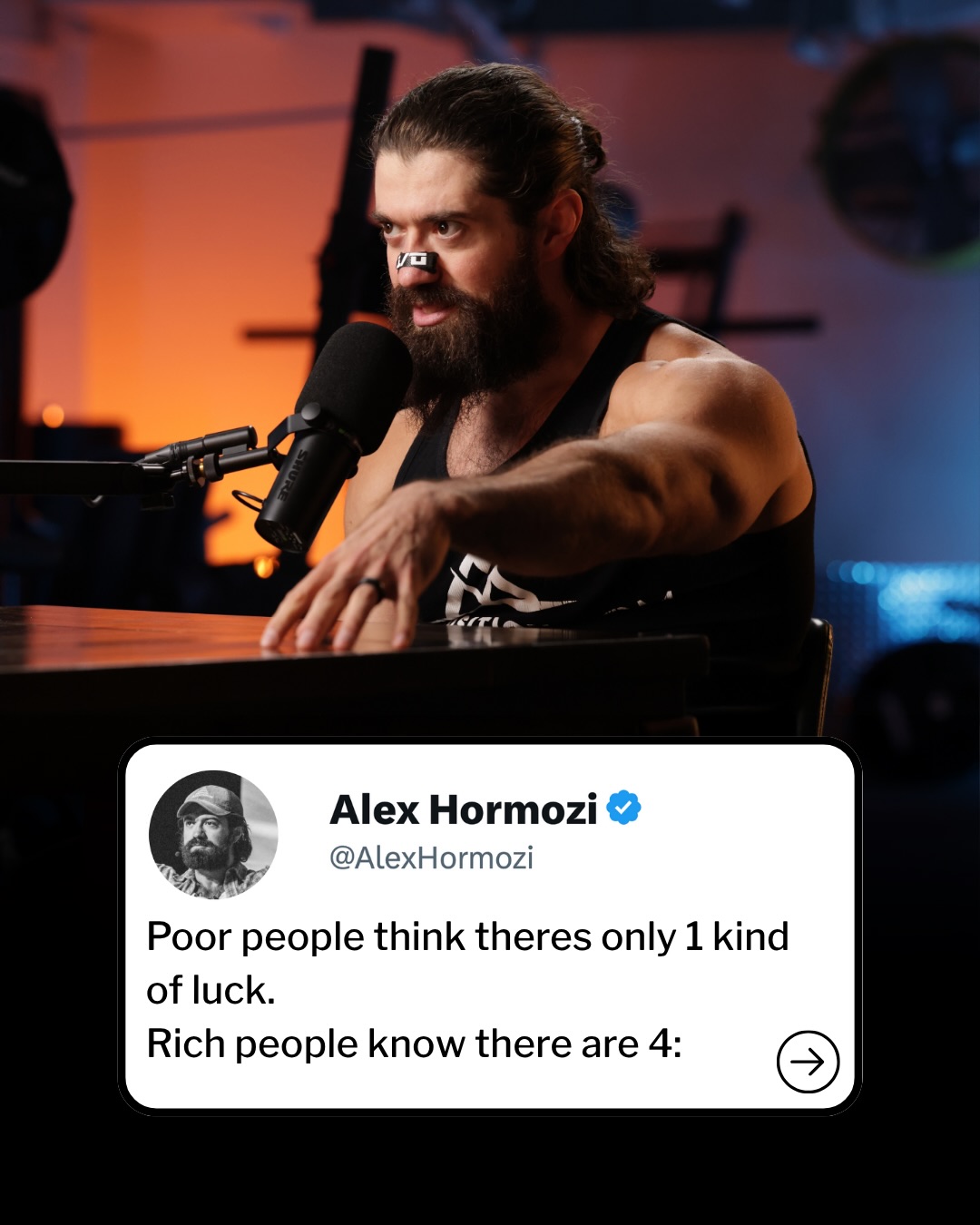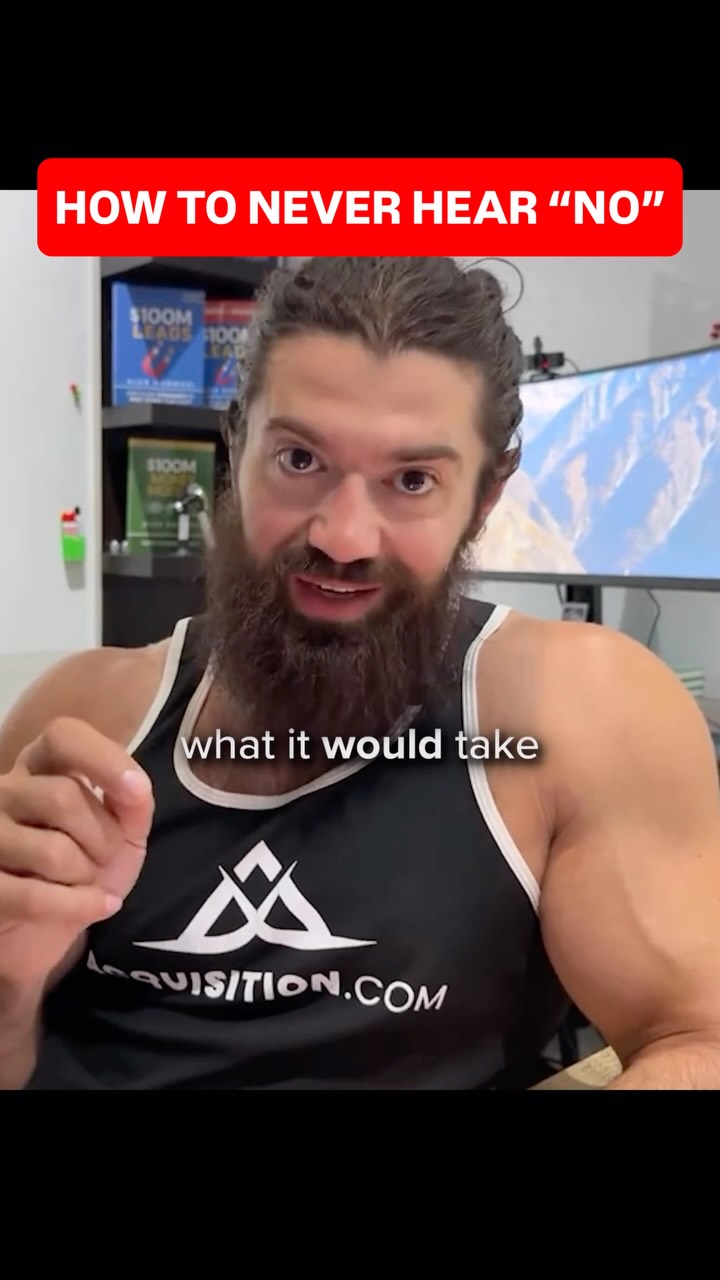
HOW TO NEVER HEAR "NO" - If you want something, don't ask if someone can do it. Ask what it would take.
Warum es so läuft
Der Post lag mit Faktor 0.58x deutlich unter dem Account-Median, lief also unterdurchschnittlich für diesen Creator. Das Video nutzt einen klaren Insider-Wissen-Hook mit Text-Overlay-Versprechen ('How to never hear No'), Talking Head mit Karaoke-Untertiteln und Studio-Setting, was das übliche Format des Accounts ist. Vermutlich war das Thema (Sprachtechnik in Sales-Gesprächen) diesmal weniger greifbar oder generisch im Vergleich zu anderen Hormozi-Videos, da Machart und Produktion sich nicht von besser performenden Posts unterscheiden.
- Ausreißer-Faktor 0.58x, also unterdurchschnittlich
- Hook ist Insider-Wissen-Typ mit Textoverlay 'HOW TO NEVER HEAR NO'
- Talking Head Format, Studio-Setup mit Marke im Hintergrund
- Einwort-Karaoke-Untertitel wie in anderen Posts des Accounts
- 97 Kommentare bei 224k Views, vergleichsweise geringe Interaktionsrate
„HOW TO NEVER HEAR "NO" - If you want something, don't ask if someone can do it. Ask what it would take.“
How to never [negatives Ergebnis]
Für Stefan / Heartbeat
Dieses Frage-Reframing-Prinzip (nicht 'kannst du', sondern 'was würde es brauchen') lässt sich direkt in einem RAW Talk oder System Breakdown Format übernehmen, in dem Stefan zeigt, wie er in Kundengesprächen oder mit dem Team diese Fragetechnik nutzt.
Sales-Frage-Technik um Ablehnung zu vermeiden
- eine Person spricht direkt in die Kamera
- Studio-Setting mit Monitoren im Hintergrund
- rotes Text-Overlay-Banner mit Titel oben im Bild
- Einwort-Karaoke-Untertitel unten im Bild
- Markenlogo auf Tank-Top sichtbar
- Gestikulation mit Händen zur Betonung
Analyse 14.09., 07:25 · claude-sonnet-5
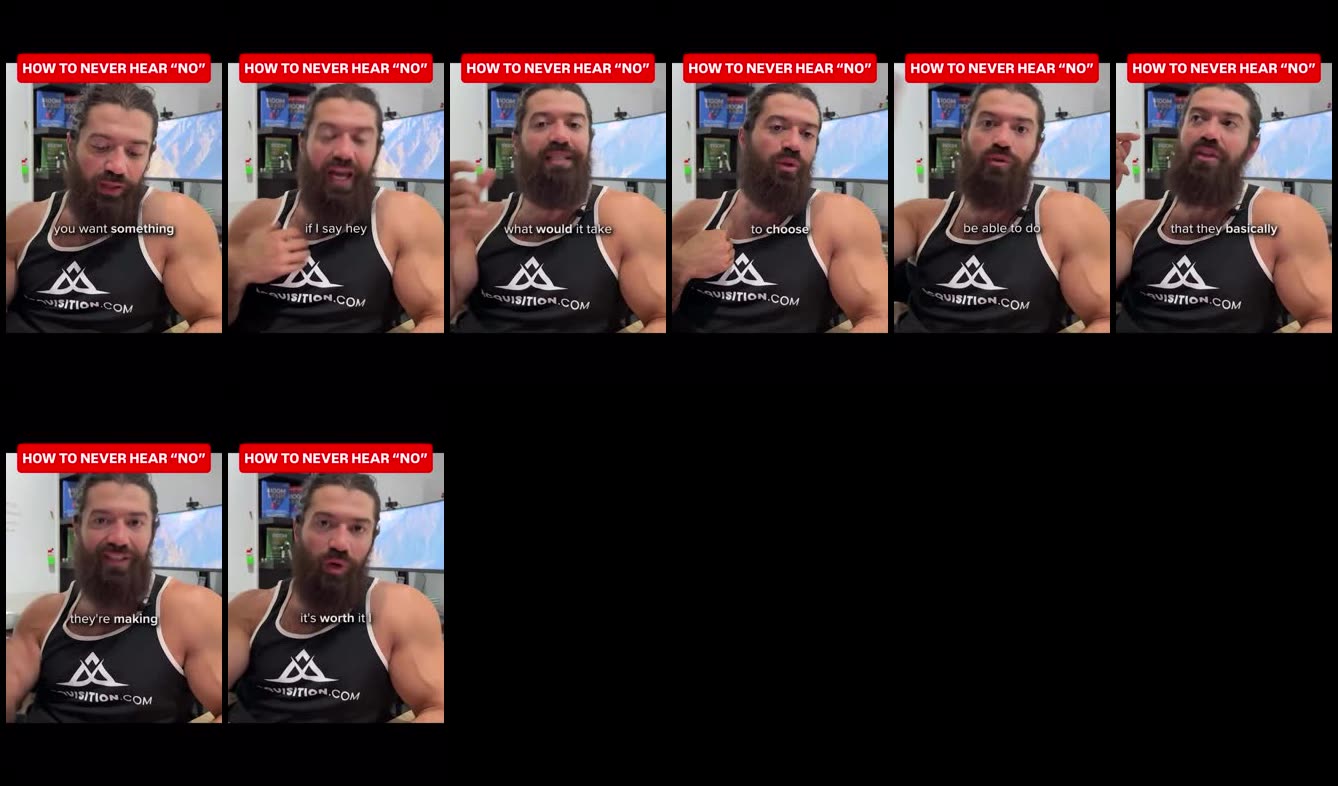
Kontaktbogen (8 Standbilder, zeilenweise; Zeitpunkte: 0.4s, 7.5s, 15.1s, 22.6s, 30.1s, 37.7s, 45.2s, 52.7s)
Verlauf
| Messung | Alter | Views | Likes | Komm. | Label |
|---|---|---|---|---|---|
| 14.09., 06:30 | 4.1 d | 224.564 | 6.134 | 97 | t0 |
t0 = erste Erfassung, t7 = etwa 7 Tage, t28 = etwa 28 Tage nach Veröffentlichung.
Notiz
Caption
Transkript (scribe, 264 Wörter)
anzeigen
Weitere Posts von @hormozi
alle